
- Sell
- Buy
-
Residential House
-
Panchkula
[0]
- Phase - 2 [0]
- Phase 1 [0]
- Sector - 1 [0]
- Sector - 2 [0]
- Sector - 3 [0]
- Sector - 4 [0]
- Sector - 5 [0]
- Sector - 6 [0]
- Sector - 7 [0]
- Sector - 8 [0]
- Sector - 9 [0]
- Sector 10 [0]
- Sector 11 [0]
- Sector 12 [0]
- Sector 12A [0]
- Sector 14 [0]
- Sector 15 [0]
- Sector 16 [0]
- Sector 17 [0]
- Sector 18 [0]
- Sector 19 [0]
- sector 2 mdc [0]
- Sector 20 [0]
- Sector 21 [0]
- Sector 22 [0]
- Sector 23 [0]
- Sector 24 [0]
- Sector 25 [0]
- Sector 26 [0]
- Sector 27 [0]
- Sector 28 [0]
- Sector 29 [0]
- Sector 30 [0]
- Sector 31 [0]
- Sector 4 mdc [0]
- Sector 5 mdc [0]
- Sector 6 mdc [0]
- Chandigarh [2]
-
Mohali
[20]
- SECTOR 70 [4]
- sector 64 [3]
- Sector 60 [2]
- Sector 66B IT city [2]
- SECTOR 85 [2]
- Sector -61 [1]
- Sector -63 [1]
- Sector 110 [1]
- Sector 78 [1]
- SECTOR 80 [1]
- Sector 82 IT city [1]
- Sector 85 Wave estate [1]
- Aerocity [0]
- Aerotro homes Sector 102 [0]
- JLPL sector 82- Industrial area [0]
- KHARAR LANDRAN ROAD [0]
- Landran Banur [0]
- MCC-2 Aerocity [0]
- Sector -60 [0]
- Sector -64 [0]
- Sector -69 [0]
- Sector -80 [0]
- Sector -85 [0]
- Sector 104 Emaar [0]
- Sector 108 Emaar [0]
- Sector 110 Mohali [0]
- SECTOR 114 [0]
- Sector 63 [0]
- SECTOR 63A [0]
- SECTOR 63A [0]
- Sector 65 [0]
- SECTOR 66 [0]
- SECTOR 66A [0]
- SECTOR 66B [0]
- Sector 69 [0]
- SECTOR 77 [0]
- Sector 79 [0]
- SECTOR 82 A [0]
- Sector 88 [0]
- SECTOR 95A [0]
- Sector 95B [0]
- Sector- 60 [0]
- TDI sector 118 [0]
- Zirakpur [10]
- Panchkula Extension [0]
- Barwala [0]
- Himachal Pardesh [0]
- Derabassi [1]
- BANUR [0]
-
Panchkula
[0]
-
Residential Plots
-
Panchkula
[2]
- Sector 21 [1]
- Sector 25 [1]
- Phase - 2 [0]
- Phase 1 [0]
- Sector - 1 [0]
- Sector - 2 [0]
- Sector - 3 [0]
- Sector - 4 [0]
- Sector - 5 [0]
- Sector - 6 [0]
- Sector - 7 [0]
- Sector - 8 [0]
- Sector - 9 [0]
- Sector 10 [0]
- Sector 11 [0]
- Sector 12 [0]
- Sector 12A [0]
- Sector 14 [0]
- Sector 15 [0]
- Sector 16 [0]
- Sector 17 [0]
- Sector 18 [0]
- Sector 19 [0]
- sector 2 mdc [0]
- Sector 20 [0]
- Sector 22 [0]
- Sector 23 [0]
- Sector 24 [0]
- Sector 26 [0]
- Sector 27 [0]
- Sector 28 [0]
- Sector 29 [0]
- Sector 30 [0]
- Sector 31 [0]
- Sector 4 mdc [0]
- Sector 5 mdc [0]
- Sector 6 mdc [0]
- Chandigarh [0]
-
Mohali
[29]
- SECTOR 66B [8]
- SECTOR 82 A [6]
- Sector 66B IT city [5]
- Sector 82 IT city [3]
- Sector 85 Wave estate [3]
- Sector 104 Emaar [1]
- SECTOR 66 [1]
- Sector 79 [1]
- TDI sector 118 [1]
- Aerocity [0]
- Aerotro homes Sector 102 [0]
- JLPL sector 82- Industrial area [0]
- KHARAR LANDRAN ROAD [0]
- Landran Banur [0]
- MCC-2 Aerocity [0]
- Sector -60 [0]
- Sector -61 [0]
- Sector -63 [0]
- Sector -64 [0]
- Sector -69 [0]
- Sector -80 [0]
- Sector -85 [0]
- Sector 108 Emaar [0]
- Sector 110 [0]
- Sector 110 Mohali [0]
- SECTOR 114 [0]
- Sector 60 [0]
- Sector 63 [0]
- SECTOR 63A [0]
- SECTOR 63A [0]
- sector 64 [0]
- Sector 65 [0]
- SECTOR 66A [0]
- Sector 69 [0]
- SECTOR 70 [0]
- SECTOR 77 [0]
- Sector 78 [0]
- SECTOR 80 [0]
- SECTOR 85 [0]
- Sector 88 [0]
- SECTOR 95A [0]
- Sector 95B [0]
- Sector- 60 [0]
- Zirakpur [0]
- Panchkula Extension [0]
- Barwala [0]
- Himachal Pardesh [0]
- Derabassi [0]
- BANUR [0]
-
Panchkula
[2]
-
Commercial Built-Up
-
Panchkula
[1]
- Sector - 8 [1]
- Phase - 2 [0]
- Phase 1 [0]
- Sector - 1 [0]
- Sector - 2 [0]
- Sector - 3 [0]
- Sector - 4 [0]
- Sector - 5 [0]
- Sector - 6 [0]
- Sector - 7 [0]
- Sector - 9 [0]
- Sector 10 [0]
- Sector 11 [0]
- Sector 12 [0]
- Sector 12A [0]
- Sector 14 [0]
- Sector 15 [0]
- Sector 16 [0]
- Sector 17 [0]
- Sector 18 [0]
- Sector 19 [0]
- sector 2 mdc [0]
- Sector 20 [0]
- Sector 21 [0]
- Sector 22 [0]
- Sector 23 [0]
- Sector 24 [0]
- Sector 25 [0]
- Sector 26 [0]
- Sector 27 [0]
- Sector 28 [0]
- Sector 29 [0]
- Sector 30 [0]
- Sector 31 [0]
- Sector 4 mdc [0]
- Sector 5 mdc [0]
- Sector 6 mdc [0]
- Chandigarh [0]
-
Mohali
[4]
- MCC-2 Aerocity [3]
- Sector 79 [1]
- Aerocity [0]
- Aerotro homes Sector 102 [0]
- JLPL sector 82- Industrial area [0]
- KHARAR LANDRAN ROAD [0]
- Landran Banur [0]
- Sector -60 [0]
- Sector -61 [0]
- Sector -63 [0]
- Sector -64 [0]
- Sector -69 [0]
- Sector -80 [0]
- Sector -85 [0]
- Sector 104 Emaar [0]
- Sector 108 Emaar [0]
- Sector 110 [0]
- Sector 110 Mohali [0]
- SECTOR 114 [0]
- Sector 60 [0]
- Sector 63 [0]
- SECTOR 63A [0]
- SECTOR 63A [0]
- sector 64 [0]
- Sector 65 [0]
- SECTOR 66 [0]
- SECTOR 66A [0]
- SECTOR 66B [0]
- Sector 66B IT city [0]
- Sector 69 [0]
- SECTOR 70 [0]
- SECTOR 77 [0]
- Sector 78 [0]
- SECTOR 80 [0]
- SECTOR 82 A [0]
- Sector 82 IT city [0]
- SECTOR 85 [0]
- Sector 85 Wave estate [0]
- Sector 88 [0]
- SECTOR 95A [0]
- Sector 95B [0]
- Sector- 60 [0]
- TDI sector 118 [0]
- Zirakpur [1]
- Panchkula Extension [0]
- Barwala [0]
- Himachal Pardesh [0]
- Derabassi [0]
- BANUR [0]
-
Panchkula
[1]
-
Commercial Plots
-
Panchkula
[0]
- Phase - 2 [0]
- Phase 1 [0]
- Sector - 1 [0]
- Sector - 2 [0]
- Sector - 3 [0]
- Sector - 4 [0]
- Sector - 5 [0]
- Sector - 6 [0]
- Sector - 7 [0]
- Sector - 8 [0]
- Sector - 9 [0]
- Sector 10 [0]
- Sector 11 [0]
- Sector 12 [0]
- Sector 12A [0]
- Sector 14 [0]
- Sector 15 [0]
- Sector 16 [0]
- Sector 17 [0]
- Sector 18 [0]
- Sector 19 [0]
- sector 2 mdc [0]
- Sector 20 [0]
- Sector 21 [0]
- Sector 22 [0]
- Sector 23 [0]
- Sector 24 [0]
- Sector 25 [0]
- Sector 26 [0]
- Sector 27 [0]
- Sector 28 [0]
- Sector 29 [0]
- Sector 30 [0]
- Sector 31 [0]
- Sector 4 mdc [0]
- Sector 5 mdc [0]
- Sector 6 mdc [0]
- Chandigarh [0]
-
Mohali
[3]
- Sector 95B [2]
- SECTOR 95A [1]
- Aerocity [0]
- Aerotro homes Sector 102 [0]
- JLPL sector 82- Industrial area [0]
- KHARAR LANDRAN ROAD [0]
- Landran Banur [0]
- MCC-2 Aerocity [0]
- Sector -60 [0]
- Sector -61 [0]
- Sector -63 [0]
- Sector -64 [0]
- Sector -69 [0]
- Sector -80 [0]
- Sector -85 [0]
- Sector 104 Emaar [0]
- Sector 108 Emaar [0]
- Sector 110 [0]
- Sector 110 Mohali [0]
- SECTOR 114 [0]
- Sector 60 [0]
- Sector 63 [0]
- SECTOR 63A [0]
- SECTOR 63A [0]
- sector 64 [0]
- Sector 65 [0]
- SECTOR 66 [0]
- SECTOR 66A [0]
- SECTOR 66B [0]
- Sector 66B IT city [0]
- Sector 69 [0]
- SECTOR 70 [0]
- SECTOR 77 [0]
- Sector 78 [0]
- Sector 79 [0]
- SECTOR 80 [0]
- SECTOR 82 A [0]
- Sector 82 IT city [0]
- SECTOR 85 [0]
- Sector 85 Wave estate [0]
- Sector 88 [0]
- Sector- 60 [0]
- TDI sector 118 [0]
- Zirakpur [0]
- Panchkula Extension [0]
- Barwala [0]
- Himachal Pardesh [0]
- Derabassi [0]
- BANUR [0]
-
Panchkula
[0]
-
Flats / Apartments
-
Panchkula
[1]
- Sector 20 [1]
- Phase - 2 [0]
- Phase 1 [0]
- Sector - 1 [0]
- Sector - 2 [0]
- Sector - 3 [0]
- Sector - 4 [0]
- Sector - 5 [0]
- Sector - 6 [0]
- Sector - 7 [0]
- Sector - 8 [0]
- Sector - 9 [0]
- Sector 10 [0]
- Sector 11 [0]
- Sector 12 [0]
- Sector 12A [0]
- Sector 14 [0]
- Sector 15 [0]
- Sector 16 [0]
- Sector 17 [0]
- Sector 18 [0]
- Sector 19 [0]
- sector 2 mdc [0]
- Sector 21 [0]
- Sector 22 [0]
- Sector 23 [0]
- Sector 24 [0]
- Sector 25 [0]
- Sector 26 [0]
- Sector 27 [0]
- Sector 28 [0]
- Sector 29 [0]
- Sector 30 [0]
- Sector 31 [0]
- Sector 4 mdc [0]
- Sector 5 mdc [0]
- Sector 6 mdc [0]
- Chandigarh [1]
-
Mohali
[5]
- Aerotro homes Sector 102 [1]
- Sector 65 [1]
- Sector 66B IT city [1]
- Sector 85 Wave estate [1]
- Sector 88 [1]
- Aerocity [0]
- JLPL sector 82- Industrial area [0]
- KHARAR LANDRAN ROAD [0]
- Landran Banur [0]
- MCC-2 Aerocity [0]
- Sector -60 [0]
- Sector -61 [0]
- Sector -63 [0]
- Sector -64 [0]
- Sector -69 [0]
- Sector -80 [0]
- Sector -85 [0]
- Sector 104 Emaar [0]
- Sector 108 Emaar [0]
- Sector 110 [0]
- Sector 110 Mohali [0]
- SECTOR 114 [0]
- Sector 60 [0]
- Sector 63 [0]
- SECTOR 63A [0]
- SECTOR 63A [0]
- sector 64 [0]
- SECTOR 66 [0]
- SECTOR 66A [0]
- SECTOR 66B [0]
- Sector 69 [0]
- SECTOR 70 [0]
- SECTOR 77 [0]
- Sector 78 [0]
- Sector 79 [0]
- SECTOR 80 [0]
- SECTOR 82 A [0]
- Sector 82 IT city [0]
- SECTOR 85 [0]
- SECTOR 95A [0]
- Sector 95B [0]
- Sector- 60 [0]
- TDI sector 118 [0]
- Zirakpur [14]
- Panchkula Extension [0]
- Barwala [0]
- Himachal Pardesh [0]
- Derabassi [0]
- BANUR [1]
-
Panchkula
[1]
-
Builder Floor
-
Panchkula
[0]
- Phase - 2 [0]
- Phase 1 [0]
- Sector - 1 [0]
- Sector - 2 [0]
- Sector - 3 [0]
- Sector - 4 [0]
- Sector - 5 [0]
- Sector - 6 [0]
- Sector - 7 [0]
- Sector - 8 [0]
- Sector - 9 [0]
- Sector 10 [0]
- Sector 11 [0]
- Sector 12 [0]
- Sector 12A [0]
- Sector 14 [0]
- Sector 15 [0]
- Sector 16 [0]
- Sector 17 [0]
- Sector 18 [0]
- Sector 19 [0]
- sector 2 mdc [0]
- Sector 20 [0]
- Sector 21 [0]
- Sector 22 [0]
- Sector 23 [0]
- Sector 24 [0]
- Sector 25 [0]
- Sector 26 [0]
- Sector 27 [0]
- Sector 28 [0]
- Sector 29 [0]
- Sector 30 [0]
- Sector 31 [0]
- Sector 4 mdc [0]
- Sector 5 mdc [0]
- Sector 6 mdc [0]
- Chandigarh [0]
-
Mohali
[6]
- Sector 65 [2]
- Aerotro homes Sector 102 [1]
- Landran Banur [1]
- Sector 85 Wave estate [1]
- Sector 88 [1]
- Aerocity [0]
- JLPL sector 82- Industrial area [0]
- KHARAR LANDRAN ROAD [0]
- MCC-2 Aerocity [0]
- Sector -60 [0]
- Sector -61 [0]
- Sector -63 [0]
- Sector -64 [0]
- Sector -69 [0]
- Sector -80 [0]
- Sector -85 [0]
- Sector 104 Emaar [0]
- Sector 108 Emaar [0]
- Sector 110 [0]
- Sector 110 Mohali [0]
- SECTOR 114 [0]
- Sector 60 [0]
- Sector 63 [0]
- SECTOR 63A [0]
- SECTOR 63A [0]
- sector 64 [0]
- SECTOR 66 [0]
- SECTOR 66A [0]
- SECTOR 66B [0]
- Sector 66B IT city [0]
- Sector 69 [0]
- SECTOR 70 [0]
- SECTOR 77 [0]
- Sector 78 [0]
- Sector 79 [0]
- SECTOR 80 [0]
- SECTOR 82 A [0]
- Sector 82 IT city [0]
- SECTOR 85 [0]
- SECTOR 95A [0]
- Sector 95B [0]
- Sector- 60 [0]
- TDI sector 118 [0]
- Zirakpur [2]
- Panchkula Extension [0]
- Barwala [0]
- Himachal Pardesh [0]
- Derabassi [0]
- BANUR [0]
-
Panchkula
[0]
-
Industrial Plots / Shed
-
Panchkula
[0]
- Phase - 2 [0]
- Phase 1 [0]
- Sector - 1 [0]
- Sector - 2 [0]
- Sector - 3 [0]
- Sector - 4 [0]
- Sector - 5 [0]
- Sector - 6 [0]
- Sector - 7 [0]
- Sector - 8 [0]
- Sector - 9 [0]
- Sector 10 [0]
- Sector 11 [0]
- Sector 12 [0]
- Sector 12A [0]
- Sector 14 [0]
- Sector 15 [0]
- Sector 16 [0]
- Sector 17 [0]
- Sector 18 [0]
- Sector 19 [0]
- sector 2 mdc [0]
- Sector 20 [0]
- Sector 21 [0]
- Sector 22 [0]
- Sector 23 [0]
- Sector 24 [0]
- Sector 25 [0]
- Sector 26 [0]
- Sector 27 [0]
- Sector 28 [0]
- Sector 29 [0]
- Sector 30 [0]
- Sector 31 [0]
- Sector 4 mdc [0]
- Sector 5 mdc [0]
- Sector 6 mdc [0]
- Chandigarh [0]
-
Mohali
[1]
- JLPL sector 82- Industrial area [1]
- Aerocity [0]
- Aerotro homes Sector 102 [0]
- KHARAR LANDRAN ROAD [0]
- Landran Banur [0]
- MCC-2 Aerocity [0]
- Sector -60 [0]
- Sector -61 [0]
- Sector -63 [0]
- Sector -64 [0]
- Sector -69 [0]
- Sector -80 [0]
- Sector -85 [0]
- Sector 104 Emaar [0]
- Sector 108 Emaar [0]
- Sector 110 [0]
- Sector 110 Mohali [0]
- SECTOR 114 [0]
- Sector 60 [0]
- Sector 63 [0]
- SECTOR 63A [0]
- SECTOR 63A [0]
- sector 64 [0]
- Sector 65 [0]
- SECTOR 66 [0]
- SECTOR 66A [0]
- SECTOR 66B [0]
- Sector 66B IT city [0]
- Sector 69 [0]
- SECTOR 70 [0]
- SECTOR 77 [0]
- Sector 78 [0]
- Sector 79 [0]
- SECTOR 80 [0]
- SECTOR 82 A [0]
- Sector 82 IT city [0]
- SECTOR 85 [0]
- Sector 85 Wave estate [0]
- Sector 88 [0]
- SECTOR 95A [0]
- Sector 95B [0]
- Sector- 60 [0]
- TDI sector 118 [0]
- Zirakpur [0]
- Panchkula Extension [0]
- Barwala [0]
- Himachal Pardesh [0]
- Derabassi [0]
- BANUR [0]
-
Panchkula
[0]
-
Agricultural Land
-
Panchkula
[0]
- Phase - 2 [0]
- Phase 1 [0]
- Sector - 1 [0]
- Sector - 2 [0]
- Sector - 3 [0]
- Sector - 4 [0]
- Sector - 5 [0]
- Sector - 6 [0]
- Sector - 7 [0]
- Sector - 8 [0]
- Sector - 9 [0]
- Sector 10 [0]
- Sector 11 [0]
- Sector 12 [0]
- Sector 12A [0]
- Sector 14 [0]
- Sector 15 [0]
- Sector 16 [0]
- Sector 17 [0]
- Sector 18 [0]
- Sector 19 [0]
- sector 2 mdc [0]
- Sector 20 [0]
- Sector 21 [0]
- Sector 22 [0]
- Sector 23 [0]
- Sector 24 [0]
- Sector 25 [0]
- Sector 26 [0]
- Sector 27 [0]
- Sector 28 [0]
- Sector 29 [0]
- Sector 30 [0]
- Sector 31 [0]
- Sector 4 mdc [0]
- Sector 5 mdc [0]
- Sector 6 mdc [0]
- Chandigarh [0]
-
Mohali
[0]
- Aerocity [0]
- Aerotro homes Sector 102 [0]
- JLPL sector 82- Industrial area [0]
- KHARAR LANDRAN ROAD [0]
- Landran Banur [0]
- MCC-2 Aerocity [0]
- Sector -60 [0]
- Sector -61 [0]
- Sector -63 [0]
- Sector -64 [0]
- Sector -69 [0]
- Sector -80 [0]
- Sector -85 [0]
- Sector 104 Emaar [0]
- Sector 108 Emaar [0]
- Sector 110 [0]
- Sector 110 Mohali [0]
- SECTOR 114 [0]
- Sector 60 [0]
- Sector 63 [0]
- SECTOR 63A [0]
- SECTOR 63A [0]
- sector 64 [0]
- Sector 65 [0]
- SECTOR 66 [0]
- SECTOR 66A [0]
- SECTOR 66B [0]
- Sector 66B IT city [0]
- Sector 69 [0]
- SECTOR 70 [0]
- SECTOR 77 [0]
- Sector 78 [0]
- Sector 79 [0]
- SECTOR 80 [0]
- SECTOR 82 A [0]
- Sector 82 IT city [0]
- SECTOR 85 [0]
- Sector 85 Wave estate [0]
- Sector 88 [0]
- SECTOR 95A [0]
- Sector 95B [0]
- Sector- 60 [0]
- TDI sector 118 [0]
- Zirakpur [0]
- Panchkula Extension [0]
- Barwala [0]
- Himachal Pardesh [0]
- Derabassi [0]
- BANUR [0]
-
Panchkula
[0]
-
Residential House
- First Time Buyer
- Home Loan Guide
- Projects
Where Smart Investors Are Looking Next
- 12 Jun 2026
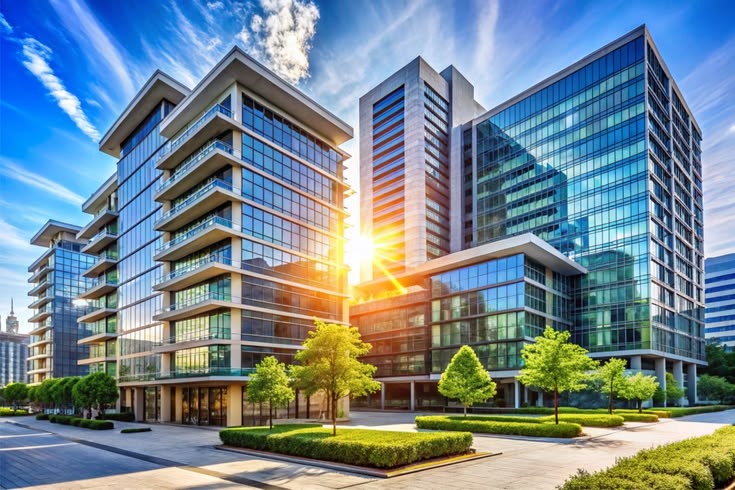
The Rise of Grade A Office Spaces
One of the biggest trends
shaping commercial real estate in 2026-2027 is the growing demand for
Grade A office spaces. Companies are increasingly prioritizing premium
buildings with modern amenities, sustainability certifications, advanced
technology infrastructure, and employee-focused environments. This
"flight-to-quality" trend is driving higher occupancy and rental growth
in premium commercial hubs. India's office demand is projected to reach
70-75 million square feet in 2026, with Bengaluru, Hyderabad, Delhi-NCR,
Mumbai, and Pune leading the market.
Global Capability Centers
(GCCs) established by multinational corporations are expected to
contribute significantly to office leasing activity. These centers are
expanding beyond traditional IT operations into AI, research, analytics,
cloud computing, and engineering services. GCC leasing alone is
projected to account for nearly 40% of India's office demand through
2027.
Flexible Workspaces Continue to Expand
While
remote and hybrid work models have changed workplace strategies, they
have not reduced demand for office space. Instead, businesses are
adopting flexible office solutions that allow them to scale quickly.
Co-working and managed office spaces are becoming an essential part of
corporate real estate strategies, attracting startups, SMEs, and large
enterprises alike. Flexible workspace operators are expanding
aggressively across major cities due to growing demand for agility and
cost efficiency.
For commercial property investors, this trend
creates opportunities in business parks, managed office buildings, and
mixed-use developments that can accommodate flexible workspace
operators.
Mixed-Use Developments Are Becoming Investment Hotspots
Commercial
developments are no longer limited to standalone office towers or
retail centers. The future belongs to integrated mixed-use projects that
combine offices, retail, hospitality, entertainment, and residential
components within a single ecosystem. These projects generate higher
footfall, improve occupancy rates, and create multiple revenue streams
for investors.
Major cities such as Gurugram, Noida, Bengaluru,
and Hyderabad are witnessing large-scale mixed-use developments along
key business corridors. Investors increasingly prefer these projects
because they offer resilience against market fluctuations while
enhancing the overall user experience.
Data Centers: The Fastest-Growing Commercial Asset Class
The
rapid adoption of artificial intelligence, cloud computing, and digital
transformation is driving unprecedented demand for data centers.
Globally, data centers have emerged as one of the most attractive
commercial real estate sectors due to limited supply and strong
long-term leasing demand. Investors are increasingly allocating capital
toward digital infrastructure assets, making data centers a major
commercial property trend for 2026-2027.
Cities with strong
connectivity, power infrastructure, and technology ecosystems are
expected to attract significant data center investments over the coming
years.
Industrial and Logistics Corridors Gain Momentum
The
growth of e-commerce, manufacturing, and supply chain modernization is
accelerating demand for industrial parks, warehouses, and logistics
hubs. Industrial real estate continues to attract both domestic and
international investors due to stable rental yields and long-term tenant
commitments. Manufacturing growth corridors, expressways, freight
corridors, and airport-linked developments are becoming key investment
destinations.
Locations connected to industrial infrastructure
are expected to witness sustained commercial growth, creating
opportunities for warehouse operators, logistics companies, and
institutional investors.
Top Commercial Property Locations to Watch in 2026-2027
1. Gurugram (Delhi-NCR)
Gurugram remains one of India's most sought-after commercial markets. Key corridors such as Golf Course Road, Golf Course Extension Road, Southern Peripheral Road (SPR), Dwarka Expressway, and Cyber City continue attracting multinational corporations, retail brands, and commercial developers. Mixed-use projects and premium office developments are expected to drive future growth.
2. Bengaluru
As India's leading technology and GCC hub, Bengaluru continues to dominate office leasing activity. Whitefield, Outer Ring Road, Electronic City, and North Bengaluru remain strong commercial investment destinations.
3. Hyderabad
Hyderabad's Financial District and HITEC City are witnessing record office demand, driven by technology firms, GCCs, and financial institutions. Strong infrastructure and competitive operating costs continue to attract occupiers.
4. Noida & Greater Noida
The development of new IT parks, AI hubs, and commercial districts around the Yamuna Expressway is strengthening Noida's position as a major business destination. Infrastructure expansion and connectivity improvements are further boosting commercial demand.
5. Mumbai
Mumbai remains India's financial capital and continues to attract premium office, retail, and mixed-use investments, especially in Bandra-Kurla Complex (BKC), Lower Parel, and Navi Mumbai growth corridors.
Conclusion
The commercial real estate landscape in 2026-2027 is being shaped by premium office demand, GCC expansion, flexible workspaces, mixed-use developments, data centers, and industrial growth corridors. Investors focusing on infrastructure-led locations, high-quality commercial assets, and emerging business hubs are likely to benefit from stronger rental yields and long-term capital appreciation. As businesses continue expanding and cities become more connected, commercial properties in strategic growth corridors will remain among the most attractive investment opportunities in the coming years
Looking for a dream home?
We can help you realize your dream of a new home

3 Rooms Manhattan
Lorem ipsum dolor sit amet, consectetur adipisicing elit. Dignissimos repellendus repudiandae incidunt quidem pariatur expedita, quo quis modi tempore non.
We want to give you 10% discount for your first order,
Use discount code at checkout


We want to give you 10% discount for your first order,
Use discount code at checkout